


Cellular organization of the body – Human Kinetics
Human Kinetics Logo

Purchase or Access Ebooks, Continuing Education, and Digital Products

Shop for and access ebooks, continuing education, and other digital materials here on the Human Kinetics website.

Login Canada Logo

Purchase Print Books

Browse all print books here on our site. When you're ready to purchase, click the partner link on the product page to complete your order with our Canada partner, Login Canada.

Human Kinetics Logo

Purchase Courses or Access Digital Products

If you are looking to purchase online videos, online courses or to access previously purchased digital products please press continue.

Mare Nostrum Logo

Purchase Print Products or Ebooks

Human Kinetics print books and Ebooks are now distributed by Mare Nostrum, throughout the UK, Europe, Africa and Middle East, delivered to you from their warehouse. Please visit our new UK website to purchase Human Kinetics printed or ebooks.

Feedback Icon Feedback Get $15 Off

Cellular organization of the body

This is an excerpt from The Pocket Atlas of Anatomy and Physiology by Ruth Hull.

Cytology is the study of cells, which are the basic structural and functional units of the body.

Cells vary greatly in size, shape, and structure according to their function, but despite their differences, cells are bathed in interstitial fluid, a dilute saline solution derived from the blood. Interstitial fluid is outside of the cell and is also known as extracellular fluid, intercellular fluid, or tissue fluid. The fluid inside the cells is called intracellular fluid.

Both the interstitial fluid and the intracellular fluid are made up of oxygen, nutrients, waste, and other particles dissolved in water.
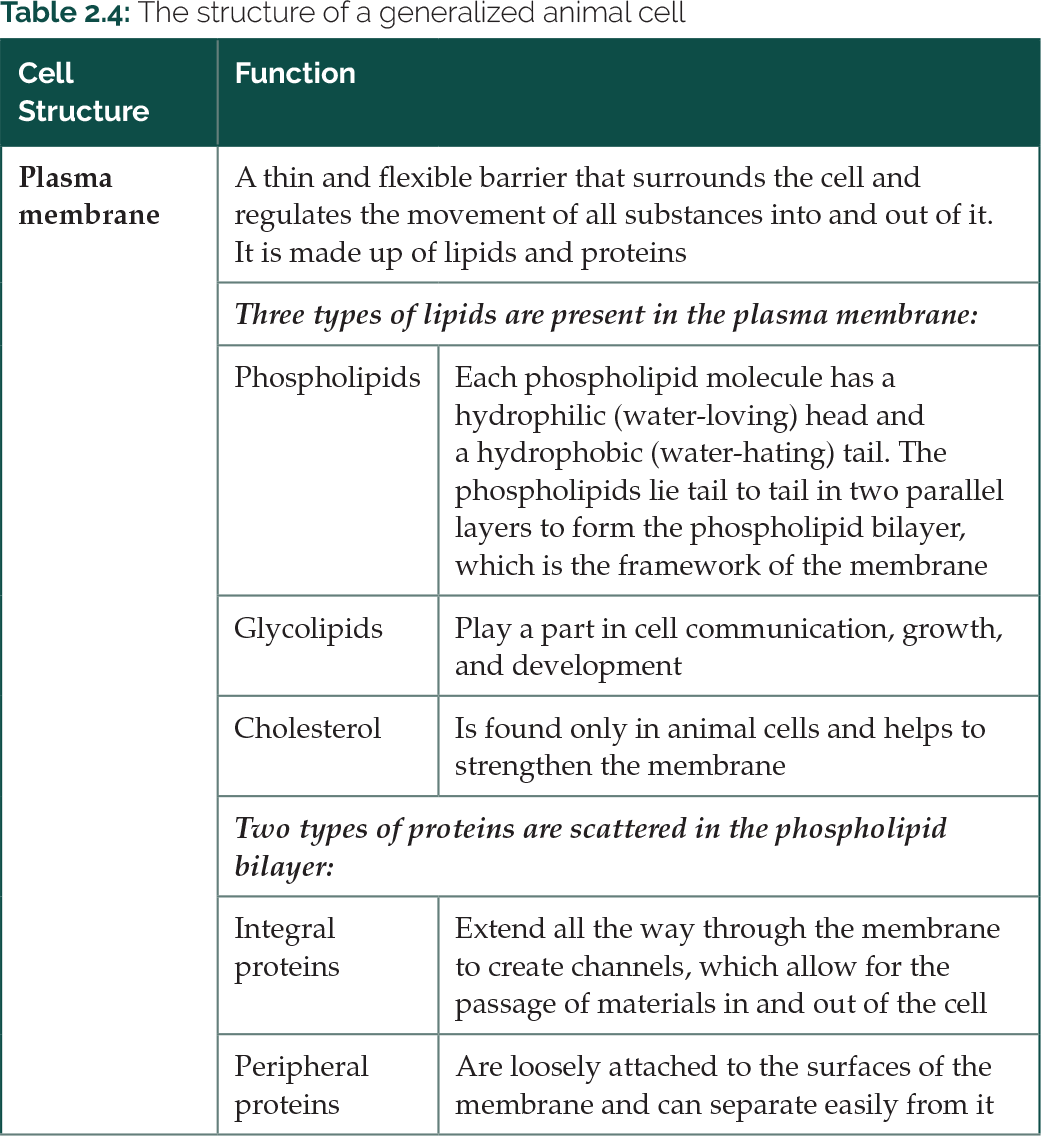
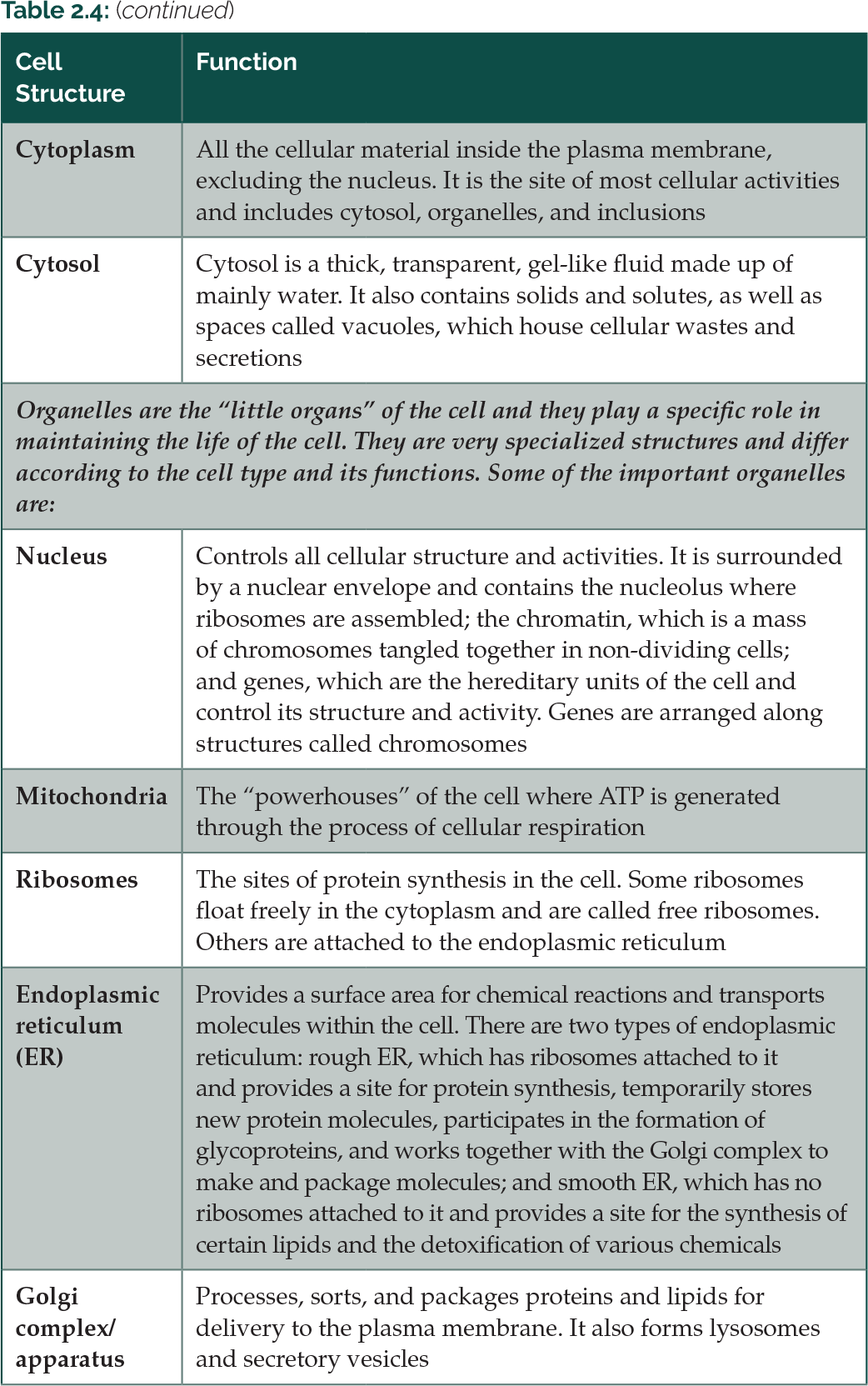
Table 2.4: The structure of a generalized animal cell

Table 2.4: The structure of a generalized animal cell

Table 2.4: The structure of a generalized animal cell

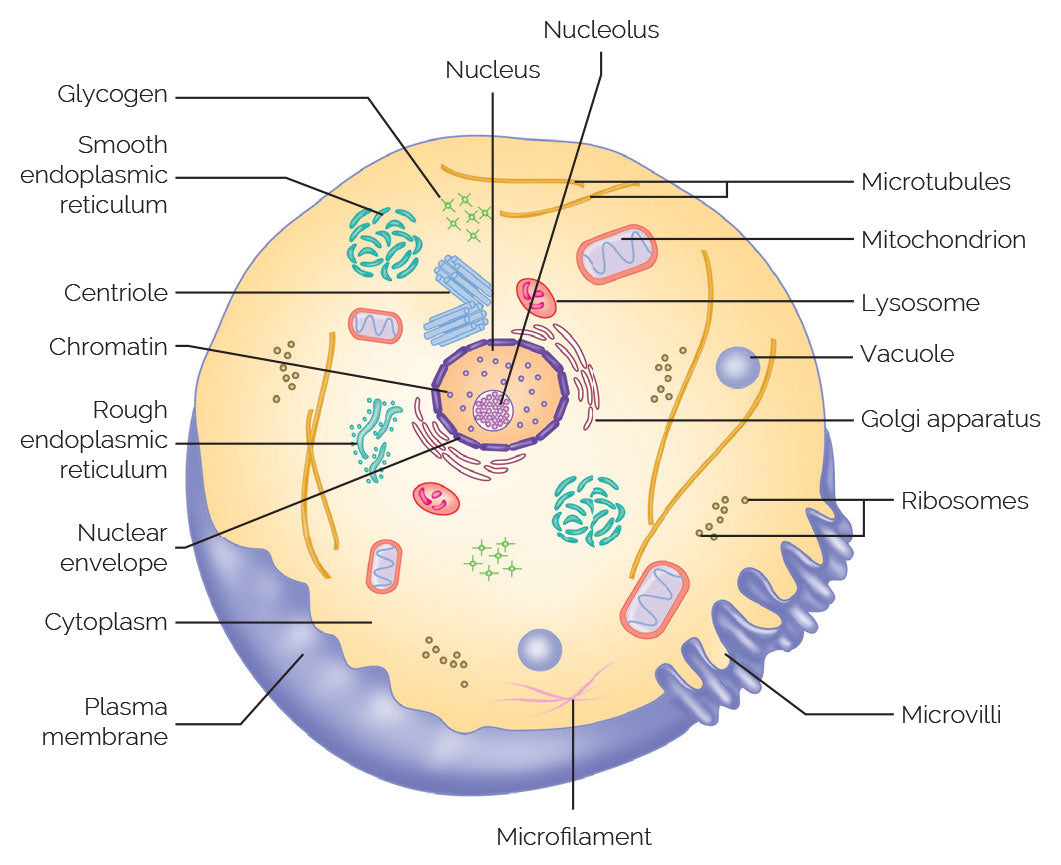
Figure 2.4: Structure of a generalized animal cell

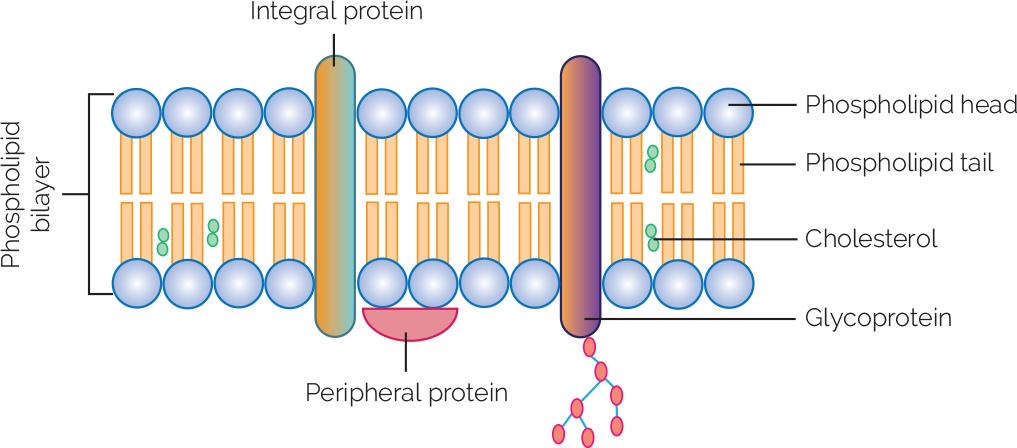
Figure 2.5: Structure of the plasma membrane

Transport across the plasma membrane

Materials are transported into and out of the cell via the plasma membrane, and there are two types of transport: passive processes and active processes. In passive processes substances are moved without using cellular energy. In active processes cells need to use some of their own energy gained from the splitting of ATP to transport materials across the plasma membrane. Active processes usually involve moving substances against a concentration gradient.

Passive processes

Figure 2.6: Simple diffusion

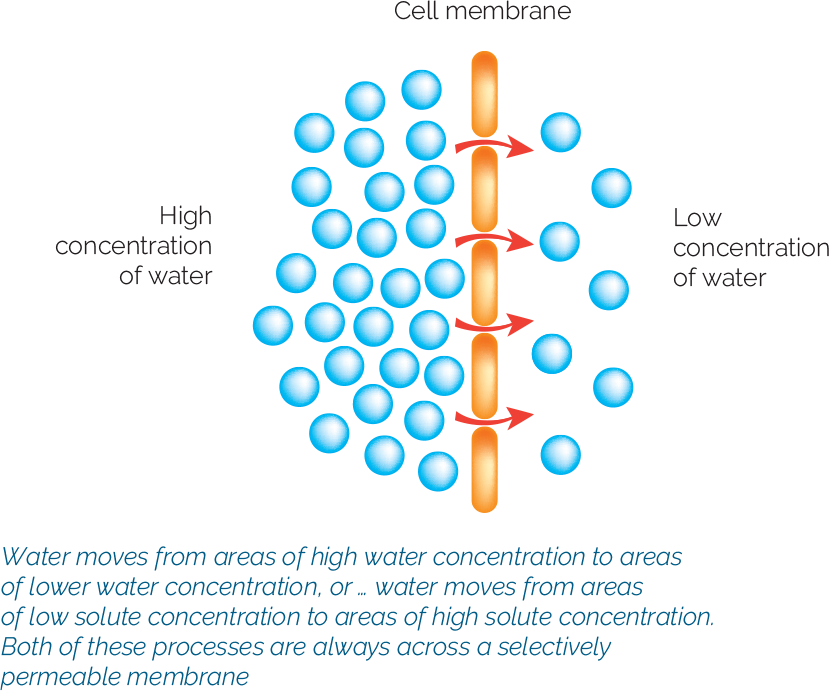
Figure 2.7: Osmosis
Figure 2.7: Osmosis

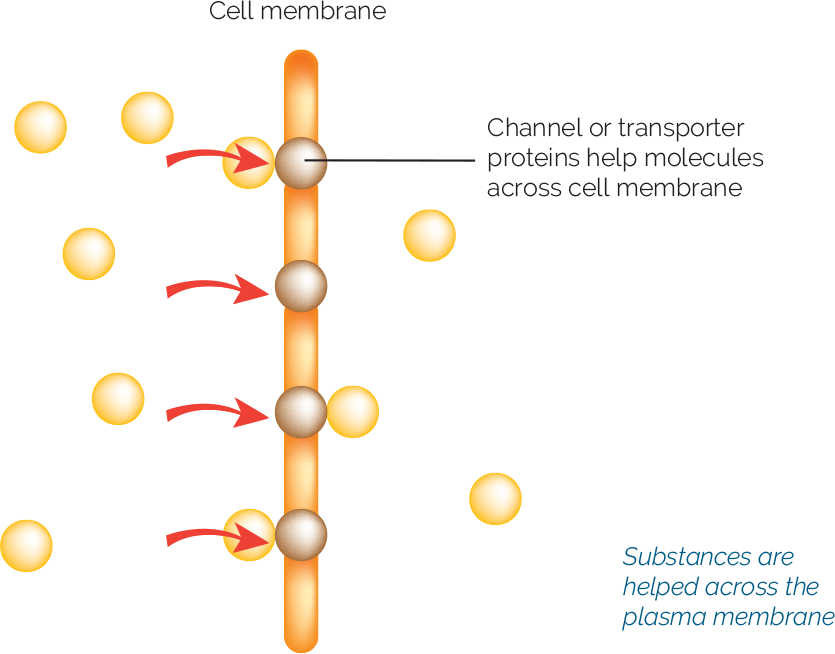
Figure 2.8: Facilitated diffusion

Active processes

Figure 2.9: Active transport

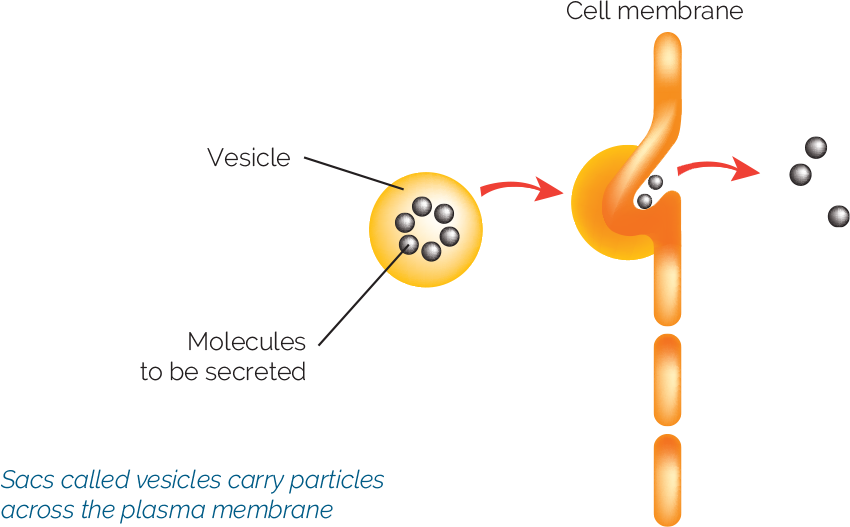
Figure 2.10: Vesicular transport

More Excerpts From The Pocket Atlas of Anatomy and Physiology

SHOP


HK INSIDER

Get the latest insights with regular newsletters, plus periodic product information and special insider offers.

JOIN NOW